
As cities grow and neighborhoods evolve, the demands on refuse and recycling collection fleets increase. With each passing year, things become more complex and unique. Urbanization brings higher population densities, narrower streets, heavier waste volumes, and ever-more stringent expectations for environmental sustainability and operational efficiency. These are more than just trends. They’re not just theoretical forecasts. Instead, they are realities shaping the daily work of municipal and private haulers across the United States.
Side loader refuse and recycling collection vehicles are uniquely positioned to meet many of these challenges and whatever path the future might take. This is especially true when equipment and fleet strategies are built around adaptability, performance, and long-term operational value.
In this article, we’ll explore how modern side loader systems are evolving to support the shifting needs and requirements of growing metropolitan areas. We’ll look at the key features that make side loaders effective, and how fleets can leverage technology and design to stay ahead of the curve.
The Urban Waste Challenge
Population growth in urban areas continues to put pressure on waste management systems. Bigger cities and dense neighborhoods produce more waste per square mile than suburban or rural communities. Unfortunately, they often do so in spaces where access is constrained by infrastructure which was built long before these demographic shifts occurred.
Urban routes frequently include the following:
- Narrow streets and tight alleys that challenge vehicle maneuverability and safety.
- Heavy traffic and curbside obstructions that slow collection cycles making them lengthy.
- Higher volumes of waste from multi-unit dwellings compared to single-family neighborhoods
- Mixed recycling streams that require more frequent stops and careful sorting of containers and piles.
Many municipalities are also facing labor shortages, tightened budgets, and growing public expectations for sustainability and safety.
Fleets that cannot change to better meet these demands risk spending more on higher operating costs, slower route times, and lower levels of service. Residents expect faster, cleaner, and more reliable collection. These pressures make the right equipment choice more than a logistical concern. Instead, it becomes a key strategic decision for urban waste operations.
Why Side Loader Collection Matters
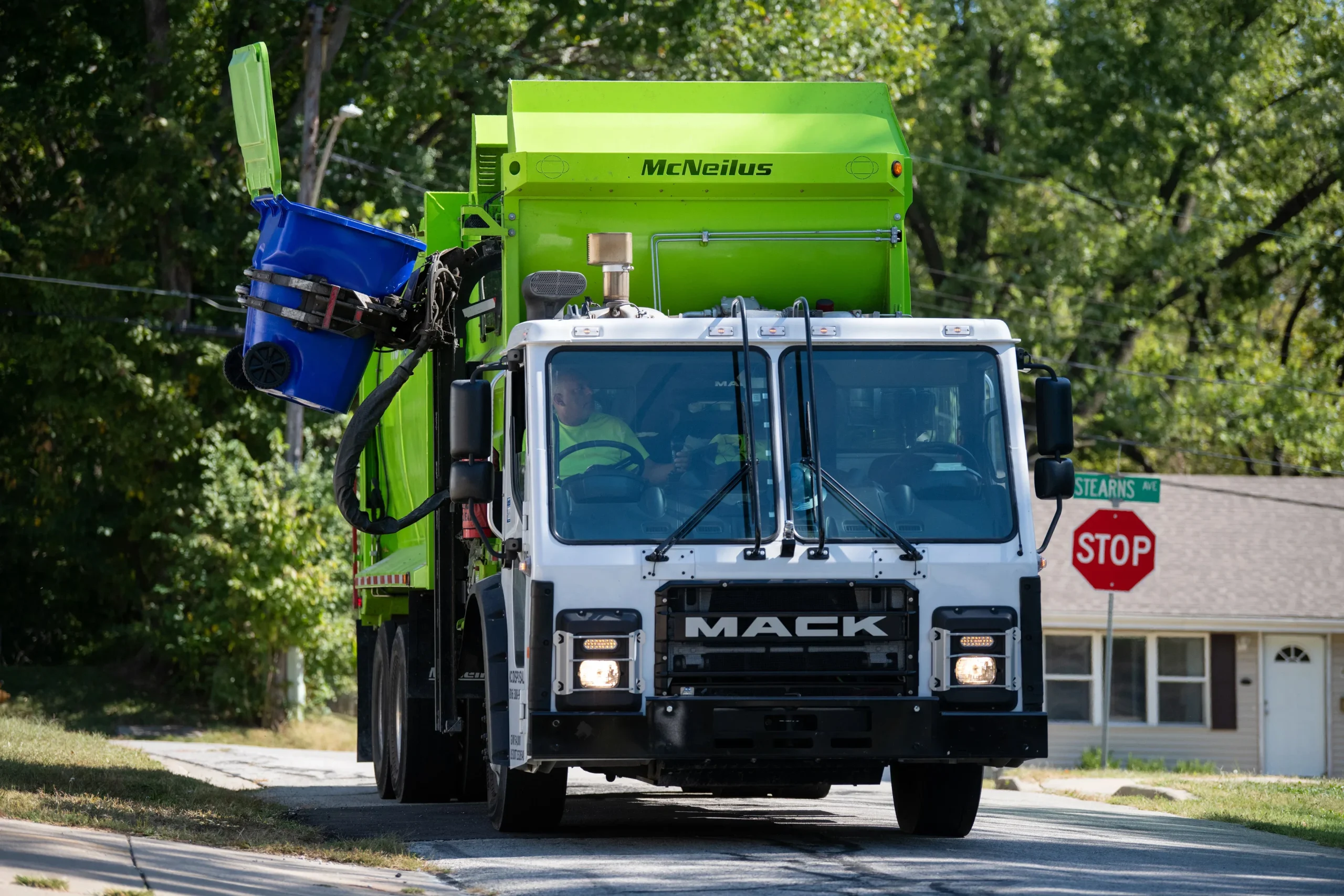
Side loader refuse and recycling trucks are engineered for urban environments, Unlike traditional rear- or front-loading vehicles, side loaders can handle curbside containers with minimal disruption to traffic and pedestrians. Automated and semi-automated side loaders use a hydraulic arm mechanism to lift, dump, and return bins to their rightful spots. They enable a single operator to manage large routes safely and efficiently without assistance. This design is particularly suited to growing cities where:
- Continuous labor savings because only an operator/driver is needed.
- Routes require frequent stops with minimal crew involvement which saves time.
- Streets are too narrow for large rear loaders to operate safely but a side loader can move with ease.
- Standardized bins are increasingly used to support recycling and organics programs.
Efficient side loader collection can reduce route times, minimize on-street congestion, and improve safety for operators and the public alike. One thing to remember is that the waste stream becomes more diverse, with recyclables, organics, and mixed residential waste each requiring careful handling. Side loaders offer the versatile platform needed to adapt and save money.
Side Loader Features That Make a Difference
Not all side loader vehicles are created equal. As fleets adapt to more complex demands, several design elements differentiate effective solutions from the rest:
Automated Hydraulic Arms for Faster, Safer Collection
Advanced side loader trucks use automated hydraulic arms that quickly and easily reach out to bins, lift them, and empty contents without the operator leaving the cab. This reduces the physical strain and safety risks associated with manual loading while speeding up collection cycles.
Side loader models equipped with enhanced lift capacity and wider reach can manage a diverse range of container sizes and positions. They are ideal for dense urban areas where no two pickups are alike.
Maneuverability in Tight Spaces
Cities are not designed with refuse trucks in mind. Instead, they are built for people and autos. Side loaders with compact chassis profiles or specialized design features like zero swing clearance can operate on narrow streets and tight intersections without blocking traffic and causing congestion problems. Such areas would otherwise require gear shifting, repositioning, or multiple maneuvers with other truck types. This kind of agility reduces route times and minimizes traffic disruption.
Durability and Serviceability
Urban routes are demanding. Frequent stops, heavy payloads, and near-constant operation mean trucks must be built for long service life and easy maintenance. Heavy-duty compaction systems and wear-resistant materials help vehicles withstand daily stress without frequent breakdowns, reducing downtime and maintenance costs.
Control Systems for Diagnostics and Fleet Visibility
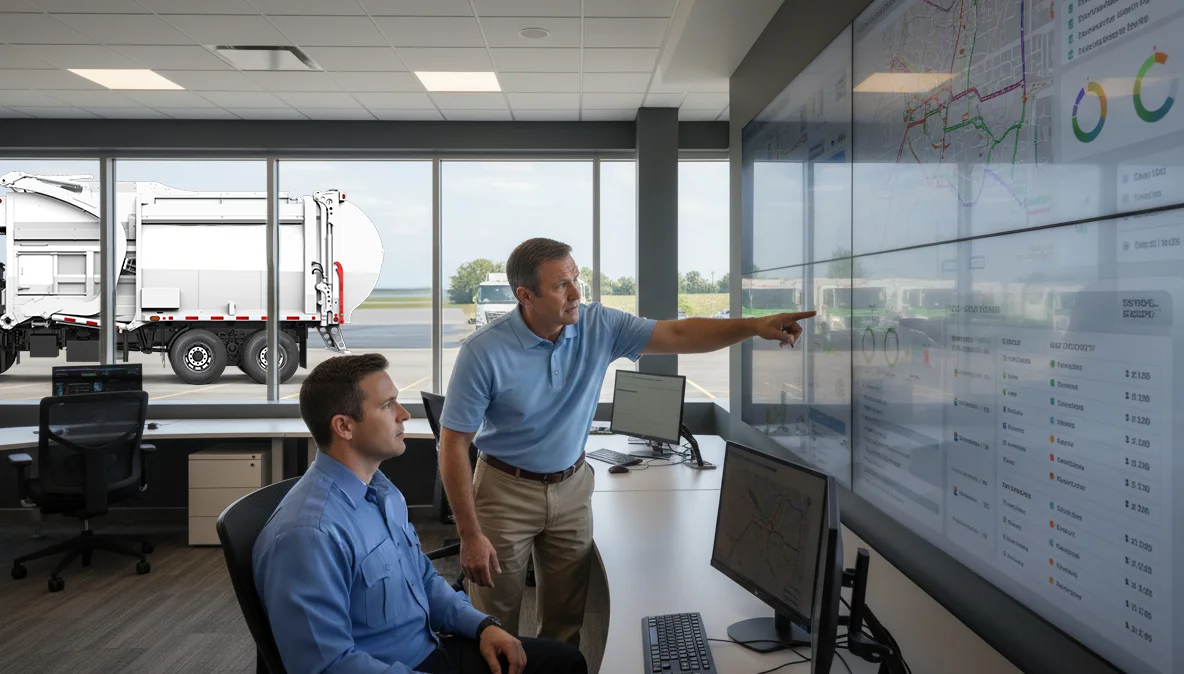
Modern side loaders often include control systems that offer real-time diagnostics, performance data, and troubleshooting information. For a broader view of how technology is transforming refuse fleet operations beyond the vehicle itself, how technology is helping refuse companies streamline fleet operations and efficiencies covers this in detail. These tools empower fleet managers to track performance, anticipate maintenance needs, and make data-driven decisions. The goal is to keep vehicles on the road and routes on schedule every step of the way.
Expanding Production to Meet Growing Demand
The steady shift toward side loader technology is not only happening in cities. In fact, it’s actually reshaping the manufacturing priorities of industry leaders. Recent investments in production capacity reflect an acknowledgement that the demand for high-performance side loader refuse and recycling vehicles is accelerating.
One example is the expansion of dedicated side loader manufacturing lines by major OEMs. Nowadays, they’re designed to increase throughput and integrate advanced quality-driven processes into every build. These next-generation production designs incorporate digital tracking, automated tooling, and consistent assembly methods into each refuse truck. Everything is aimed at producing vehicles that deliver exceptional durability and repeatable performance.
This manufacturing shift aligns with broader trends in waste management:
- Operators expanding recycling programs
- Municipalities standardizing bins for efficiency
- Private haulers investing in automated fleets
- Urban planners emphasizing sustainability and safety
By prioritizing advanced production techniques, manufacturers are helping fleets access tools that are better engineered, easier to maintain, and more resilient to the demands of urban service all while remaining affordable.
Adapting Side Loader Fleets for Efficiency, Safety, and Sustainability
Getting the right hardware is only one part of the equation. Many of the most successful fleet operators use side loaders as part of a broader strategy that includes the following:
Route Optimization
Effective route planning is critical in growing cities because things are changing. Sophisticated route design can reduce fuel use, minimize labor costs, and improve on-time collection rates. Operators are increasingly using routing software to predict traffic patterns, avoid obstacles, and sequence stops for maximum efficiency which saves time and money.
Training and Operator Support
Side loader vehicles are powerful tools, but they require skilled operators to unlock their full potential. Comprehensive training programs help drivers operate arms safely, manage compactors effectively, and troubleshoot on the go which all improve your business and ensure your customers satisfaction with the pickup service. Proper training also reduces costly accidents and prolongs vehicle life.
Standardized Container Programs
Standardization of bins and carts simplifies collection and increases predictability for side loader arms. Municipalities that adopt uniform container sizes and placements enable operators to maintain consistent cycles, reduce missed pickups, and eliminate confusion on busy streets where congestion can occur.
Sustainability Goals
Cities committed to reducing emissions are increasingly turning to alternative fuels and electrification options when picking trucks for their fleet. Electrified side loader trucks can cut greenhouse gas emissions, lower noise pollution in residential areas, and contribute to overall urban sustainability targets. While the initial investment may be higher, long-term operational cost savings and community benefits can justify the transition.
Addressing Operational Challenges
Even with side loader technology, fleet managers must address several operational realities when planning for the future:
- Upfront investment: Advanced automated trucks require greater capital investment, which must be balanced against long-term savings in labor, fuel, and maintenance.
- Bin infrastructure: Side loader systems are most effective with standardized bins, which may not be present in all neighborhoods. Transitioning to uniform containers can require coordination across municipal departments.
- Maintenance expertise: Modern side loader vehicles incorporate sophisticated hydraulics and control systems that require trained technicians and consistent maintenance protocols. Investing in service infrastructure pays dividends in uptime and lifecycle costs.
Addressing these operational needs through strategic planning, budgeting, and workforce development will help fleets maximize the return on investment from side loader technology and improve service quality for growing communities.
Preparing for Tomorrow’s Waste Landscape Today
The rapid growth of urban neighborhoods and the increasing demands of municipal and private waste services underscore one truth: efficiency is no longer optional. Nowadays, it is a must-have. Side loader refuse and recycling collection vehicles offer a compelling mix of performance, safety, adaptability, and long-term value, particularly when matched with sophisticated operational strategies that improve business and fleet safety.
As cities continue to grow, the importance of vehicles that can navigate tight spaces, handle high-volume routes, and support sustainability goals will only increase. Investing in modern side loader fleets that emphasize durability, automation, and operational intelligence positions waste management organizations to exceed expectations, reduce costs, and serve residents with the reliability they expect.
With thoughtful planning, the right technology, and a commitment to continuous improvement, fleets can transform waste collection into a competitive asset. It can quickly become one that keeps communities clean, operations efficient, and neighborhoods ready for whatever comes next.